Trying to choose the perfect vape juice when you’re staring down hundreds of bottles with wildly different flavors, ratios, and nicotine levels? Yeah, it’s a lot. Most people just grab whatever looks cool and hope for the best, then end up disappointed when the flavor tastes nothing like the label, or worse, burns their throat on the first hit. The good news is that picking the right e-liquid isn’t some complicated science once you know what to look for, and this guide is gonna walk you through everything that actually matters.
Key Takeaways
VG/PG ratio affects vapor production, flavor intensity, and throat hit; always match it to your device type.
Nicotine strength should match both your device and your personal satisfaction needs.
Nicotine salts work best in pod systems and low-wattage devices; freebase nicotine suits sub-ohm setups.
Flavor categories like fruit, dessert, menthol, and tobacco each have different use cases and intensity levels.
Reading labels carefully, especially for sweetener content and manufacturing dates, protects your coils and your wallet.
Starting with smaller bottles lets you test profiles without wasting money on large quantities you might not love.
Quick Answer: To choose the perfect vape juice, match the VG/PG ratio to your device, pick a nicotine strength that fits your usage style (salt nic for pods, freebase for sub-ohm), and start with smaller bottles across different flavor categories before committing to larger quantities.
What Is VG/PG Ratio and Why Does It Matter So Much?
Before anything else, you need to understand VG and PG because this ratio affects literally everything about your vaping experience. VG stands for vegetable glycerin, a thick, naturally sweet liquid that’s responsible for those impressive vapor clouds. PG is propylene glycol, a thinner liquid that carries flavor much more efficiently and gives you that throat hit that feels similar to smoking a cigarette. High VG juices, typically 70% VG or higher, are built for cloud production. They’re smooth, less harsh on the throat, and work best in sub-ohm devices with larger coils that can handle thicker liquid properly. The tradeoff is that flavor can feel slightly muted compared to higher PG options. If you’re into cloud chasing or just prefer a gentler hit, high VG is your lane. A balanced 50/50 blend sits right in the middle and honestly works for most people starting out. It performs well across a wide range of devices, from basic pod systems to mid-range mods, and delivers solid vapor with strong flavor. Personally, I think 50/50 is one of the most underrated options because it just works without overthinking things. High PG juice flips the script; you get intense flavor and a stronger throat hit but noticeably less vapor. These are perfect if you’re vaping somewhere you don’t want to blow big clouds, or if you’re using a mouth-to-lung device that mimics the tight draw of a cigarette. Former smokers often gravitate here first.
VG/PG Ratio
Vapor Production
Flavor Intensity
Throat Hit
Best For
Max VG / 80/20
Very High
Moderate
Mild
Sub-ohm, cloud chasing
70/30
High
Good
Moderate
Sub-ohm, mid-range mods
50/50
Medium
Strong
Medium
Most devices, beginners
40/60 or High PG
Low
Very Strong
Strong
Pod systems, MTL devices
Nicotine Strength: How to Find the Level That Actually Satisfies You
Getting nicotine strength wrong is one of the most common mistakes new vapers make, and it either leads to vaping constantly without feeling satisfied, or going way too hard and feeling dizzy and nauseous. Neither is fun. The right level depends on two things: your device and how much you actually need. Freebase nicotine is the traditional form and comes in concentrations from 0mg all the way up to 18mg or even 24mg. If you’re running a powerful sub-ohm device that produces alot of vapor, you’ll want to stay in the 3mg to 6mg range. These devices deliver massive vapor volume per puff, so even low concentrations add up fast. Going higher in a high-wattage setup is genuinely rough on the throat. For mouth-to-lung devices and standard pod systems, 12mg to 18mg freebase nicotine is the sweet spot. The restricted draw and lower vapor output of these devices means you need higher concentration to feel anything. Many people who recently quit smoking find these levels genuinely satisfying without feeling overwhelming. Nicotine salts changed everything for pod users. Salt nic uses a different chemical form of nicotine that absorbs faster and hits smoother, even at very high concentrations like 25mg, 35mg, or 50mg. You can take just a few puffs from a small pod device and feel fully satisfied. That’s why salt nic has become so popular, it works really well for people who want a compact, discreet setup that still delivers real nicotine satisfaction.
Voice Search Answer: What nicotine strength should I use for vaping? For sub-ohm devices, use 3mg to 6mg freebase nicotine. For pod systems, try 12mg to 18mg freebase or 25mg to 50mg nicotine salts. Start lower than you think you need and adjust up if you’re not feeling satisfied.
Flavor Profiles Explained: Finding What You’ll Actually Enjoy
The flavor variety when you shop for vape juices online is honestly both incredible and slightly overwhelming. Thousands of options means plenty of room to find something you genuinely love, but it also means plenty of room to waste money on bottles that end up sitting on a shelf. Understanding the main flavor categories makes narrowing it down way easier.
Fruit Flavors
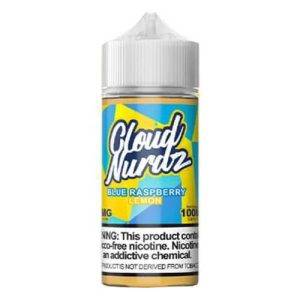
Fruit profiles are the most popular category for a reason. They’re refreshing, rarely cause flavor fatigue, and range from straightforward single-fruit options like strawberry or mango to complex tropical blends that layer multiple fruits together. If you want something you can vape all day without getting tired of it, a well-made fruit juice is usually the answer. A standout example worth trying is Blue Raspberry Lemon by Cloud Nurdz, which hits that tart-sweet balance really well and has become a go-to for a lot of fruit flavor fans.
Dessert and Bakery Flavors
Custards, donuts, cakes, cinnamon rolls, creamy blends; dessert profiles are rich and satisfying but can feel heavy if you’re vaping them back to back all day. Most people treat these as “occasion” flavors, saved for evenings or after meals rather than constant all-day use. The complexity in a good dessert juice is genuinely impressive when done right.
Menthol and Mint
Cooling flavors have come a long way. Modern menthol options go well beyond plain mint, incorporating fruit, berries, or creamy notes with a refreshing cold exhale. Former menthol cigarette smokers almost universally find these satisfying, and they work particularly well in warmer weather when you want something crisp.
Tobacco Flavors
Early tobacco vape juices were pretty bad, no shame in admitting it. But premium tobacco profiles today are genuinely sophisticated, capturing the warmth and depth of pipe tobacco, mild cigar notes, or clean Virginia-style blends without tasting like an old ashtray. If you switched from cigarettes and miss that familiar profile, modern tobacco juices are worth revisiting.
Beverage Flavors
Coffee, iced tea, lemonade, energy drink inspired blends; these are surprisingly good when the brand knows what they’re doing. They scratch a specific itch when you want a flavor that feels familiar in a different kind of way. Coffee flavors in particular pair really well with dessert profiles if you want to get a little creative mixing.
Matching Your Juice to Your Device: This Step Gets Skipped Way Too Often
Your hardware and your juice need to work together. Using the wrong combination leads to burnt coils, dry hits, gurgling, or just a flat-out bad experience that has nothing to do with the juice being low quality. Taking five minutes to understand this relationship saves real money.
Pod systems and low-wattage devices (under 20W): Use higher nicotine salt juices and 50/50 or PG-heavy ratios. Thick high-VG juice clogs small coils fast and causes wicking issues.
Mid-range devices (20 to 60W): Most flexible option. Handle 60/40 or 70/30 VG blends well. Both freebase at 3mg to 12mg and lower-concentration salt nic work here.
Sub-ohm devices (above 60W): Require 70% VG minimum, with most builders preferring 80/20 or max VG. Keep nicotine low, 0mg to 6mg, because the vapor volume per puff is extremely high.
Rebuildable atomizers (RDA/RTA): High-VG juice is standard, but your specific coil build determines the optimal ratio. Part of the fun is dialing it in through experimentation.
Reading the Label: What to Actually Pay Attention To
Not all e-liquid is made the same way, and the label tells you quite a bit if you know what to look for. A few minutes of scrutiny before buying can save you from a disappointing purchase or worse, a product that burns through coils in record time. Ingredient transparency is non-negotiable for reputable brands. You should clearly see the PG percentage, VG percentage, nicotine content, and a reference to food-grade flavorings. If a brand is vague or doesn’t list these clearly, that’s worth paying attention to. Good manufacturers are proud of what goes into their bottles. Manufacturing and expiration dates matter more than people think. Vape juice doesn’t spoil quickly, but nicotine does oxidize over time, causing the liquid to darken and the flavor to degrade. Darker-than-expected liquid in a new bottle is a yellow flag. Fresh juice always performs better. Sweetener content is the thing most beginners overlook completely. Heavily sweetened juices taste amazing straight out of the bottle but gunk up coils fast because the sweetener caramelizes on the coil when heated. Some brands specifically label their products as “coil-friendly” or “low sweetener” formulations, which extends coil life without sacrificing all that much flavor. Worth looking for if you burn through coils fast. Bottle quality is also a real indicator. Childproof caps, dark or opaque bottles that protect against light degradation, and solid seals all point to a manufacturer that cares about the product reaching you in good condition. Cheap, flimsy packaging often reflects what’s inside.
Practical Tips for Building Your Vape Juice Collection
Once you have the basics down, building a collection that covers different moods, times of day, and situations is genuinely enjoyable. A few habits make the whole process smoother.
Always start with smaller bottles when trying a new brand or flavor profile. A 30ml bottle is way less painful to write off than a 100ml if it’s not your thing.
Keep an all-day vape in rotation, usually a lighter fruit or menthol option that won’t cause palate fatigue. Save heavier dessert or complex profiles for specific situations.
Let new juice steep if the flavor seems off. Some complex blends, especially desserts and tobaccos, improve significantly after sitting for one to two weeks with the cap cracked. Fruit flavors usually don’t need it, but it’s worth knowing.
Store juice properly in a cool, dark location. Heat and light are the main enemies of flavor and nicotine stability. A drawer or cabinet works fine.
Don’t chase price alone. Ultra-cheap juice often cuts corners on ingredient quality or safety testing. Reasonable pricing from established brands reflects real production costs, not just markup.
How to Choose the Perfect Vape Juice When You’re Just Getting Started
If you’re brand new, here’s the straightforward version: figure out your device type first, then pick a compatible ratio and nicotine level, then grab two or three different flavor profiles in smaller bottles and see what resonates. That’s it. You don’t need to overthink it on the first run; the learning process is honestly half the fun of getting into vaping seriously. Most vapers who’ve been at it for a while will tell you their preferences shifted pretty significantly in the first few months. What you think you’ll love based on a label and what you actually enjoy after a few weeks of vaping are often two different things. Stay flexible, take notes mentally on what works, and don’t lock yourself into a single brand or style too early. The community aspect is underrated too. Other vapers, whether at a local shop or in online communities, are usually happy to share recommendations and honest reviews. Real opinions from actual users are way more useful than marketing copy on a product page. Understanding VG/PG ratios, nicotine types and strengths, flavor categories, device compatibility, and how to read a label gives you everything you need to choose the perfect vape juice with confidence every single time. You’ll make the occasional miss, everyone does, but with this foundation you’ll make way fewer of them. Happy vaping.
Frequently Asked Questions
What’s the best VG/PG ratio for beginners?
A 50/50 ratio is the best starting point for most beginners because it works across a wide range of devices and delivers a solid balance of vapor production, flavor, and throat hit. It’s forgiving on hardware and doesn’t require a high-end setup to perform well. Once you know your preferences better, you can adjust toward higher VG for clouds or higher PG for stronger flavor and throat hit.
How do I know if I need nicotine salts or freebase nicotine?
If you’re using a pod system, a small starter kit, or any low-wattage device, nicotine salts are almost always the better choice because they deliver high nicotine concentrations smoothly without harsh throat hit. Freebase nicotine is better suited to sub-ohm or mid-range devices where vapor production is higher and lower concentrations are needed. Your device type is the clearest guide here.
Why does my vape juice taste burnt even though it’s new?
A burnt taste with fresh juice usually comes down to a VG/PG mismatch with your device, a coil that wasn’t properly primed before use, or a sweetener-heavy juice that gunked up your coil faster than expected. Try priming your coil by letting the juice saturate the wick for five to ten minutes before firing. If it keeps happening, try a juice with lower sweetener content or a ratio that’s more compatible with your specific device.
How long does vape juice last before it goes bad?
Most vape juice has a shelf life of one to two years when stored properly in a cool, dark location away from direct light and heat. Nicotine oxidizes over time and will cause the liquid to darken and flavor to degrade; a dark brown color in a bottle that should be light is a sign it’s past its prime. Fruit flavors tend to stay fresh longer than complex dessert or cream blends.
Can I mix different vape juices together?
Yes, mixing compatible juices is something a lot of vapers do to create custom flavor combinations or adjust nicotine levels, and it’s generally safe as long as you’re mixing quality juices from reputable brands. The simplest approach is combining juices with similar VG/PG ratios so you don’t throw off device compatibility. Start with small test batches before committing to mixing large quantities, since not every flavor combination works as well as it sounds in theory.